 20046 N John Wayne Pkwy STE 105, Maricopa, AZ 85139

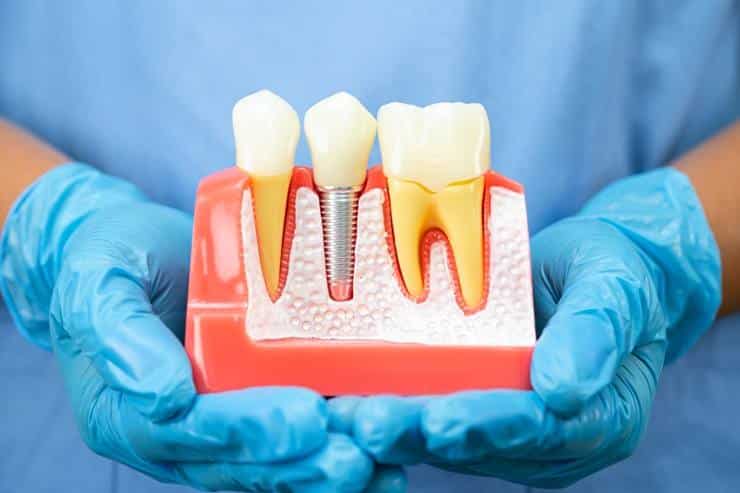
Missing teeth can affect much more than appearance. For many seniors, tooth loss can make eating favorite foods more difficult, impact speech, and reduce confidence in social situations. Fortunately, modern dentistry offers several solutions for replacing missing teeth, and dental implants continue to be one of the most trusted options available.
Yet one question often arises among older adults considering treatment: “Am I too old for dental implants?”
The simple answer is that age alone rarely prevents someone from receiving dental implants. In fact, many seniors enjoy excellent outcomes with implant treatment and experience significant improvements in comfort, function, and quality of life.
At Dentistry at Maricopa, Dr. Daniel J. Gibbons and Dr. Mike Carpenter help patients of all ages explore solutions for missing teeth. Understanding how dental implants work and what factors influence candidacy can help seniors make informed decisions about their oral health.
Age Is Not Usually the Deciding Factor
Many people assume dental implants are primarily intended for younger adults. However, dentists are often more concerned with overall health and oral condition than with a patient’s age.
It is not uncommon for individuals in their 60s, 70s, and even 80s to successfully receive dental implants. Numerous studies have shown that older adults can achieve implant success rates comparable to those of younger patients when proper planning and care are followed.
The condition of the jawbone, gums, and overall health typically plays a much larger role in determining candidacy than the number of birthdays a person has celebrated.
For many seniors, learning that age itself is not a barrier can be both surprising and encouraging.
What Makes Dental Implants Different?
Dental implants differ from traditional tooth replacement options because they replace both the visible tooth and its supporting root structure.
The implant consists of a small titanium post that is surgically placed into the jawbone. Over time, the bone naturally bonds with the implant through a process called osseointegration. Once healing is complete, a custom crown, bridge, or denture can be attached to the implant.
This unique design creates exceptional stability and allows the replacement tooth to function much like a natural tooth. Because the implant integrates with the jawbone, it also helps preserve bone structure that might otherwise deteriorate following tooth loss.
These benefits often make implants an attractive option for seniors seeking a long-term solution.
Why Seniors Often Choose Dental Implants
Tooth loss can create challenges that affect daily life in subtle but meaningful ways. Many seniors become frustrated by loose dentures, difficulty chewing certain foods, or concerns about appearance.
Dental implants offer a level of stability that many patients find life-changing. Unlike removable dentures, implants remain securely anchored in place. This allows patients to speak, smile, and eat with greater confidence.
Many seniors also appreciate that implants can support a wider variety of foods. Enjoying fruits, vegetables, lean proteins, and other nutritious options becomes easier when chewing function is restored.
The ability to eat comfortably often contributes to better nutrition and overall health.
Bone Health Matters More Than Age
One of the most important considerations for implant treatment is jawbone health.
After tooth loss occurs, the jawbone in that area gradually begins to shrink because it no longer receives stimulation from chewing forces. The longer a tooth has been missing, the greater the potential for bone loss.
Fortunately, bone loss does not automatically eliminate the possibility of dental implants. In some cases, dental implants procedures such as bone grafting may help rebuild the necessary support for implant placement.
Advanced imaging technology allows dentists to carefully evaluate bone quality and determine the most appropriate treatment plan.
Many seniors who initially assume they are not candidates are pleasantly surprised to learn that options still exist.
Managing Health Conditions During Implant Treatment
Another common concern among older adults involves existing medical conditions.
Many seniors successfully receive dental implants despite having conditions such as diabetes, high blood pressure, osteoporosis, or heart disease. However, these factors do require careful evaluation and treatment planning.
Well-managed health conditions often pose minimal obstacles to successful implant placement. Dentists may coordinate with physicians when necessary to ensure treatment is performed safely.
Providing a complete medical history and discussing all medications during your consultation helps create a treatment plan tailored to your individual needs.
The goal is always to prioritize both safety and long-term success.
Healing May Take Longer, But Success Is Still Possible
As we age, the body’s healing processes may slow somewhat compared to younger years. However, this does not mean successful implant integration cannot occur.
Many seniors experience predictable healing and excellent outcomes following implant placement. The key is allowing adequate healing time and carefully following post-operative instructions.
Attending follow-up appointments, maintaining oral hygiene, and following dietary recommendations during recovery all contribute to positive results.
Patience during the healing phase often pays off with long-lasting benefits.
The Importance of Healthy Gums
Healthy gum tissue provides essential support for dental implants.
Before implant treatment begins, any signs of active gum disease should be addressed. Untreated periodontal disease can compromise implant success by affecting the surrounding tissues and bone.
For this reason, a comprehensive examination is typically performed before treatment begins. This evaluation allows the dental team to identify concerns and create a plan for optimizing oral health.
Establishing a healthy foundation significantly improves the likelihood of long-term success.
Dental Implants Can Improve Quality of Life
Many seniors report that dental implants improve far more than their smiles.
Being able to eat comfortably, speak clearly, and smile confidently can positively influence social interactions and daily activities. Some patients find they become more willing to participate in gatherings, dine out with friends, or engage in activities they previously avoided.
Replacing missing teeth can also help maintain facial structure by reducing bone loss. This may contribute to a more youthful appearance over time.
These practical and emotional benefits often make dental implants a worthwhile investment in overall well-being.
How Long Do Dental Implants Last?
One of the most appealing aspects of implant treatment is its durability.
With proper care, dental implants can last for many years and often decades. While crowns or restorations attached to implants may eventually require maintenance or replacement, the implant itself is designed to be a long-term solution.
Routine dental visits, daily brushing and flossing, and healthy lifestyle habits all contribute to implant longevity.
Many seniors appreciate knowing they may not need frequent replacement or adjustment compared to some alternative tooth replacement options.
What Happens During the Evaluation Process?
The first step toward determining candidacy is a comprehensive consultation.
During this appointment, your dentist will review your medical history, evaluate your oral health, and assess bone structure using diagnostic imaging. This information helps identify whether implants are appropriate and what type of treatment may be recommended.
Some patients may be candidates for a single implant, while others may benefit from implant-supported bridges or dentures.
Every treatment plan is personalized to address individual goals, needs, and oral health conditions.
Addressing Common Myths About Dental Implants and Aging
Several misconceptions continue to discourage seniors from exploring implant treatment.
One of the most common myths is that older adults heal too slowly to support implants. While healing times vary, many seniors experience excellent outcomes when treatment is carefully planned.
Another myth is that dentures are always the only option after a certain age. In reality, implant-supported solutions may provide greater comfort, stability, and function for many patients.
Understanding the facts can help individuals make decisions based on accurate information rather than outdated assumptions.
Taking the Next Step Toward a Healthier Smile
Dental implants have transformed the way missing teeth are replaced, allowing many seniors to enjoy restored comfort, confidence, and oral function. While every patient is unique, age alone rarely determines whether implant treatment is possible.
Factors such as bone health, gum condition, and overall medical status provide a more accurate picture of candidacy. With proper evaluation and personalized treatment planning, many older adults can safely and successfully benefit from dental implants.
At Dentistry at Maricopa, Dr. Daniel J. Gibbons and Dr. Mike Carpenter are committed to helping patients explore solutions that support long-term oral health and quality of life.
If you are considering dental implants or would like to learn whether you are a candidate, schedule an appointment today with your dentist. A personalized consultation can help you understand your options and take the first step toward restoring your smile with confidence.