 20046 N John Wayne Pkwy STE 105, Maricopa, AZ 85139

A lost tooth can impact the way you chew, speak, and even how confident you feel in social situations. Fortunately, advanced dentistry offers dental implants as a durable and natural-looking solution for replacing missing teeth. If you are looking forward to dental implants in Maricopa, you’re likely looking for reliable information about what the procedure involves and whether it’s right for you. In this guide, we’ll walk you through the process step by step so you know exactly what to expect from consultation to your final restoration.
What Are Dental Implants?
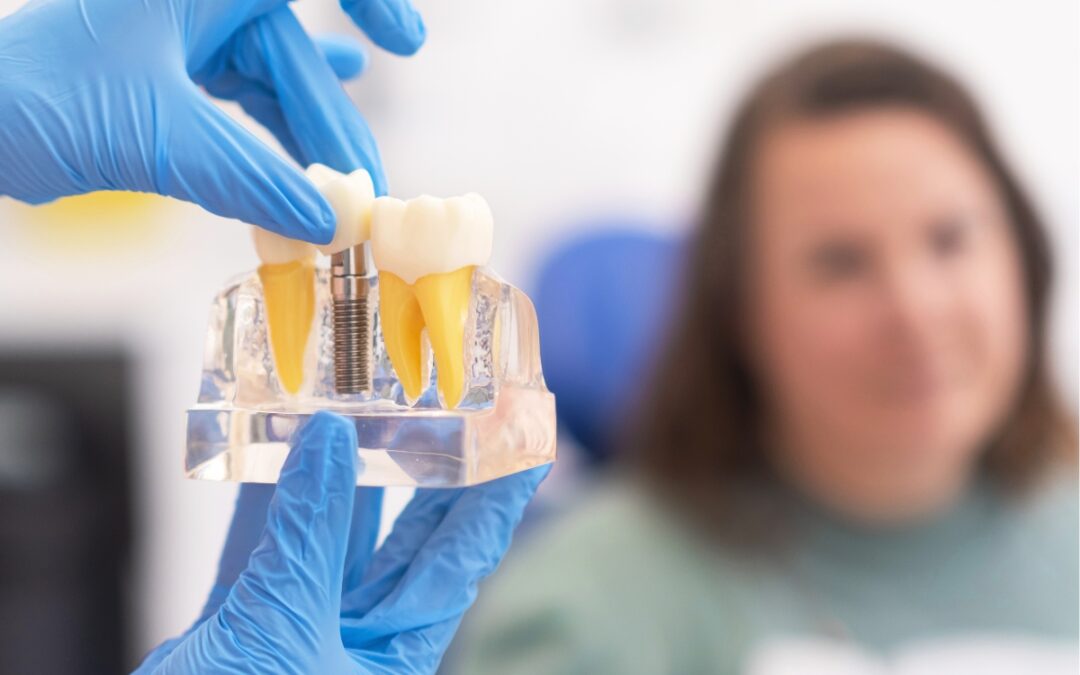
Implants are considered the gold standard for tooth replacement because they restore both the visible tooth and the underlying root structure. This procedure involves a small titanium post placed in your jawbone to replace the root of a missing tooth. After healing, a custom crown is placed on the implant, resulting in a secure and natural-looking replacement tooth.
Unlike other alternatives, implants are fixed in place. They preserve bone, prevent shifting teeth, and restore full chewing function.
Step 1: Initial Consultation and Evaluation
Your journey begins with a thorough consultation. During this visit, your dentist will:
- Review your medical and dental history
- Take digital X-rays or 3D scans
- Evaluate your bone density and gum health
- Discuss your goals and expectations
This evaluation determines whether you’re a good candidate for this treatment or need further procedures before moving further. Most healthy adults qualify, but factors like gum disease, smoking, or bone loss may require additional preparation.
If you’re considering dental implants in Maricopa, this first visit is your opportunity to ask questions about cost, timeline, and long-term outcomes.
Step 2: Treatment Planning
Once you’re approved for treatment, your implant specialist creates a personalized plan. This includes:
- Determining implant placement location
- Assessing whether bone grafting is needed
- Planning the type of restoration (single crown, bridge, or implant-supported denture)
Advanced imaging technology allows precise planning, which improves comfort and long-term success.
Step 3: Bone Grafting (If Needed)
Not every patient requires this step. However, if you’ve experienced bone loss after tooth extraction, a bone graft may be recommended.
A bone graft strengthens the jawbone to support the implant securely. Healing time varies, but this step greatly improves implant stability and durability.
Step 4: Implant Placement Procedure
This is the surgical phase of the process. Here’s what typically happens:
- Local anesthesia is administered to ensure comfort
- The implant post is precisely inserted into the jawbone.
- The area is closed and allowed to heal
Most patients report that implant placement feels similar to a routine tooth extraction. Mild soreness afterward is typical and can be easily controlled with OTC medication.
Step 5: Healing and Osseointegration
This is a crucial part of the process. Over the next 3 to 6 months, the implant fuses with the jawbone in a process called osseointegration. This fusion creates a strong, stable foundation-just like a natural tooth root.
During this healing period, you may wear a temporary restoration so your smile stays complete.
Step 6: Abutment Placement
Once healing is complete, a small connector piece called an abutment is attached to the implant. This piece will hold your final crown in place.
The gums are allowed to heal around the abutment before moving to the final step.
Step 7: Custom Crown Placement
The final step is placing your custom-made dental crown.
Your crown is designed to:
- Match the color of your natural teeth
- Fit comfortably in your bite
- Restore full chewing ability
Once secured, your implant looks, feels, and functions like a natural tooth.
For patients seeking dental implants in Maricopa, this final result is often life-changing, restoring both function and confidence.
Benefits of Dental Implants
These artificial tooth roots offer several advantages over other tooth replacement options:
- Preserve jawbone health
- Prevent neighboring teeth from shifting
- Restore full chewing strength
- Improve speech clarity
- Provide a long-term solution (often lasting decades)
- Look completely natural
With proper care, these artificial tooth roots can last up to 20 years or more.
How Long Does the Entire Process Take?
The entire procedure typically takes 3 to 6 months, depending on healing time and whether bone grafting is needed. While the timeline may seem lengthy, the long-term benefits make it worth the investment.
Are Dental Implants Painful?
Most patients are surprised by how manageable the procedure is. With modern anesthesia and advanced techniques, discomfort during placement is minimal. Mild soreness afterward is common but usually subsides within a few days.
How to Care for Dental Implants?
Caring for dental implants is similar to caring for natural teeth:
- Brush twice daily
- Floss regularly
- Visit your dentist for routine cleanings
- Avoid smoking
Good oral hygiene ensures long-term success.
Frequently Asked Questions
1. How long do dental implants last?
With proper care, dental implants can last 20 years or longer. Many patients enjoy lifetime results with consistent oral hygiene and regular dental visits.
2. Am I a good candidate for dental implants?
Most healthy adults possessing adequate jawbone density are. A consultation with your dentist will determine if additional procedures like bone grafting are necessary.
3. How much do dental implants cost?
Costs vary depending on the number of implants needed and whether additional treatments are required. Your dentist can give you a customized estimate during your appointment.
4. Can dental implants replace multiple teeth?
Yes. Implants can support a single crown, a bridge, or even full-arch restorations like All-on-4 systems.
5. What happens if I delay treatment?
Delaying treatment can lead to further bone loss and shifting of surrounding teeth. Addressing missing teeth early improves long-term outcomes.
Experience a Perfect Tooth Replacement With Implants
Choosing tooth replacement is an important decision. Implants provide a durable, natural appearance and a long-lasting solution for missing teeth. If you’ve been looking forward to this procedure, understanding the step-by-step process can help you feel confident moving forward.
From consultation to final crown placement, the procedure is carefully planned to ensure comfort, precision, and lasting results. If you’re ready to restore your smile and improve your quality of life, schedule a consultation to learn whether dental implants are right for you. A complete, healthy smile is closer than you think.