 20046 N John Wayne Pkwy STE 105, Maricopa, AZ 85139

The words root canal can make some people nervous. Perhaps you’ve heard stories about painful dental procedures or imagined sitting in the dental chair for hours. If your dentist has recommended a root canal, it’s natural to have questions about what happens during treatment and whether it will hurt.
Here’s the reassuring news: modern root canal treatment is designed to relieve pain, not cause it. With appropriate anesthesia and careful dental care, most patients can undergo the procedure comfortably. More importantly, a root canal can often save a natural tooth that might otherwise need to be removed.
At Dentistry at Maricopa, located at 20046 N John Wayne Pkwy Ste 105, Maricopa, AZ 85139, we understand that dental anxiety is real. Let’s explore what root canal treatment involves, why it may be necessary, and how it can help you protect your smile.
What Exactly Is a Root Canal Treatment?
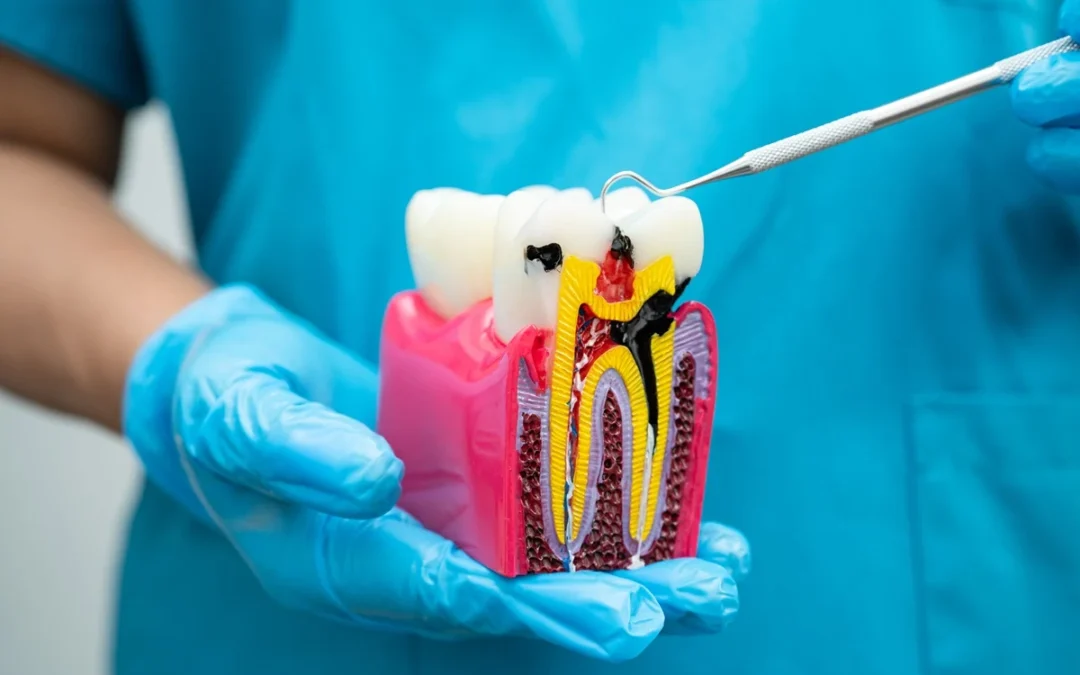
To understand why a root canal can help, it helps to know a little about the inside of your tooth.
Beneath the hard outer enamel and dentin is a soft tissue called the pulp. It contains nerves and blood vessels that help the tooth develop. If deep decay, a crack, or an injury allows bacteria to reach the pulp, inflammation or infection can occur.
A root canal treats the problem by removing the affected pulp, cleaning and disinfecting the inside of the tooth, and sealing the space to help prevent further infection.
The goal is simple: save your natural tooth whenever possible.
Instead of automatically extracting a badly damaged or infected tooth, your dentist may be able to preserve it with root canal treatment and an appropriate restoration.
Does Root Canal Treatment Actually Hurt?
This is probably the question most patients want answered first. The good news is that dentists use local anesthesia to numb the affected area before beginning treatment.
You may feel pressure or movement during the procedure, but you should not have to tolerate significant pain. If you feel uncomfortable, let your dentist know so they can assess the situation and help you feel more comfortable.
In fact, the pain people associate with root canals often comes from the inflamed or infected tooth that needs treatment—not necessarily from the procedure itself.
After treatment, some tenderness or mild discomfort can occur for a few days, particularly if the tissues around the tooth were already inflamed. This usually improves as healing progresses. Your dentist can explain how to manage discomfort and when to seek follow-up care.
What Happens During a Root Canal Procedure?
Knowing what to expect can make the experience feel much less intimidating. Although every case is different, root canal treatment generally follows a few key steps.
Step 1: Examination and Numbing
Your dentist examines the tooth and may take dental X-rays to assess the problem. Once the treatment plan is established, local anesthesia is used to numb the area.
This preparation helps make the procedure more comfortable before treatment begins.
Step 2: Cleaning the Inside of the Tooth
Your dentist creates a small opening in the tooth to access the infected or damaged pulp. Specialized instruments are then used to remove the affected tissue and clean the root canals.
The inside of the tooth is carefully disinfected to reduce bacteria and help control the infection.
Step 3: Sealing the Tooth
After cleaning, the root canals are filled with a suitable dental material and sealed. This helps prevent bacteria from re-entering the treated space.
Step 4: Restoring Your Tooth
Depending on the tooth’s condition and how much healthy structure remains, a permanent filling or dental crown may be recommended.
Molars and premolars often benefit from crowns because they handle substantial chewing forces. Your dentist will recommend the restoration that best suits your tooth.
Why Is Saving Your Natural Tooth Important?
Your natural teeth do more than create an attractive smile. They help you chew comfortably, speak clearly, and maintain the alignment of your bite.
When a tooth can be saved, root canal treatment may help you avoid extraction and the additional decisions that can follow tooth loss, such as whether to replace the missing tooth.
Keeping your natural tooth can also preserve the surrounding tooth structure and help maintain normal chewing function.
Of course, not every tooth can be saved. The decision depends on the extent of damage, the amount of healthy tooth structure remaining, and the overall condition of the tooth and surrounding tissues.
What Are the Signs You Might Need a Root Canal?
Sometimes, the symptoms are hard to ignore. Other times, a tooth may have significant damage without causing obvious pain.
Common warning signs include:
- Persistent or severe toothache
- Prolonged sensitivity to hot or cold temperatures
- Pain when biting or chewing
- Swollen or tender gums near a tooth
- Darkening or discoloration of a tooth
- A pimple-like bump on the gums
These symptoms don’t always mean you need a root canal, but they should not be ignored. A dental examination can help identify the cause and determine the appropriate treatment.
If you develop facial swelling with fever, seek urgent dental care. Difficulty breathing or swallowing, or rapidly spreading swelling around your face or neck, requires emergency medical attention.
How Can You Make Your Root Canal Experience Easier?
A little preparation can go a long way toward reducing anxiety.
Start by telling your dentist about any fears or previous uncomfortable dental experiences. Ask questions about the procedure, the expected recovery, and the restoration your tooth may need. Understanding the process often makes it feel more manageable.
Follow your dentist’s instructions before and after treatment, take medications only as directed, and avoid chewing hard foods on the treated tooth until it has been appropriately restored.
Most importantly, don’t postpone an evaluation simply because you’re afraid of the procedure. Delaying treatment can allow an infection or damaged tooth to worsen.
Feel More Confident About Your Dental Care in Maricopa AZ
A root canal may sound intimidating, but it is a routine dental procedure that can relieve symptoms and help preserve a natural tooth. Modern techniques, effective anesthesia, and a clear treatment plan can make the experience much more comfortable than many patients expect.
At Dentistry at Maricopa, Dr. David Gibbons and Dr. Mike Carpentar help patients understand their dental concerns and the treatment options available to them.
If you’re experiencing persistent tooth pain, sensitivity, or signs of infection, visit Dentistry at Maricopa at 20046 N John Wayne Pkwy Ste 105, Maricopa, AZ 85139, for an evaluation.
Have questions about root canal treatment? Don’t let fear keep you from getting the care you need. A conversation with your dentist can help you understand your options and take the next step toward a healthier, more comfortable smile. Contact us today!
Frequently Asked Questions
Q 1. Is root canal treatment painful?
Root canal treatment is performed using local anesthesia to numb the affected area. Most patients tolerate the procedure well, and it is intended to relieve pain caused by an infected or inflamed tooth. Mild tenderness may occur afterward but usually improves within a few days.
Q 2. How long does a root canal procedure take?
The duration depends on the tooth’s location, the complexity of its root canals, and the severity of the infection. Many root canal procedures can be completed in one or two appointments. Your dentist can provide a more accurate estimate after examining your tooth.
Q 3. Why would I need a root canal?
A root canal may be necessary when the pulp inside a tooth becomes infected or severely inflamed due to deep decay, cracks, or dental trauma. The procedure removes the damaged tissue, cleans the inside of the tooth, and seals it to help preserve your natural tooth.
Q 4. What should I expect after root canal treatment?
You may experience mild soreness or tenderness for a few days after treatment. Follow your dentist’s aftercare instructions, avoid chewing hard foods on the treated tooth until it is properly restored, and take medications as directed. Contact your dentist if pain worsens or swelling develops.