 20046 N John Wayne Pkwy STE 105, Maricopa, AZ 85139

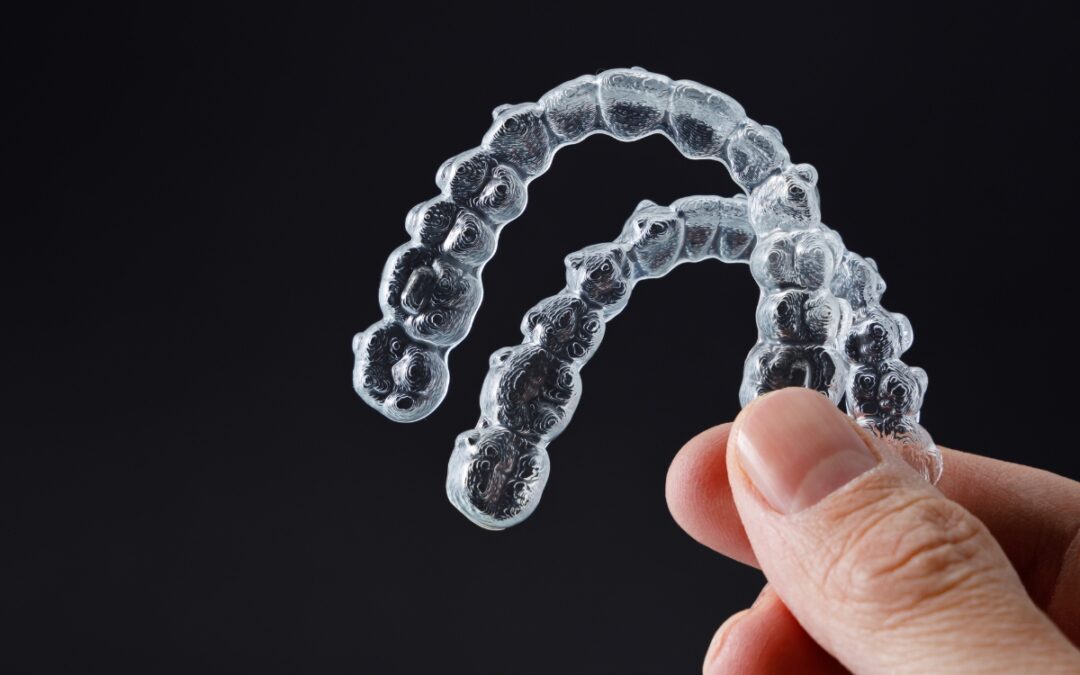
A straighter smile can improve both confidence and long-term oral health. For many adults and teens, traditional braces are no longer the only option. Clear aligner therapy has become one of the most requested orthodontic treatments, especially among patients seeking a discreet and flexible approach to straightening their teeth.
For individuals looking for Invisalign in Maricopa, understanding how the treatment works, who qualifies, and what results to expect can help clarify whether this option aligns with their personal goals and dental needs. This guide provides a comprehensive overview to support informed decision-making.
What Is Invisalign?
It is a clear aligner system designed to gradually move teeth into proper alignment. Instead of metal brackets and wires, treatment involves a series of custom-made, removable aligners crafted from smooth, transparent material.
Each set of aligners is worn for approximately one to two weeks before progressing to the next stage in the sequence. Over time, teeth shift into their planned positions based on a digitally mapped treatment plan.
It is commonly used to address:
- Crowded teeth
- Gaps between teeth
- Overbite
- Underbite
- Crossbite
- Mild to moderate misalignment
Advances in aligner technology have expanded the range of cases that can be treated successfully.
How Invisalign Treatment Works?
Treatment begins with a comprehensive dental evaluation. In Maricopa, modern practices often use digital scanning technology instead of traditional impressions. A 3D scan creates a precise digital model of the teeth.
Using specialized software, a step-by-step movement plan is developed. This technology allows visualization of projected results before treatment begins.
Custom aligners are then fabricated to apply gentle, controlled pressure to specific teeth. Aligners must be worn approximately 20–22 hours per day for optimal effectiveness, removed only for eating, drinking (other than water), brushing, and flossing.
Routine progress visits ensure that movement is occurring as planned.
Who Is a Good Candidate for Invisalign?
It is highly versatile, but candidacy depends on individual dental conditions.
Clear aligners are often appropriate for:
- Adults seeking discreet orthodontic treatment
- Teens with fully erupted permanent teeth
- Patients with mild to moderate alignment issues
- Individuals are committed to wearing aligners consistently.
More complex orthodontic cases may still require traditional braces or a combined treatment approach. A thorough consultation and diagnostic evaluation determine suitability.
Patients who are considering Invisalign in Maricopa often prioritize convenience, appearance, and comfort. Aligners can be an excellent solution when expectations and compliance align with treatment requirements.
Benefits of Invisalign
Clear aligner therapy offers several advantages that contribute to its popularity.
1. Discreet Appearance
The transparent material makes aligners significantly less noticeable than traditional braces.
2. Removability
Aligners can be removed during meals and oral hygiene routines, allowing normal eating habits and making brushing and flossing easier.
3. Comfort
The smooth plastic material reduces irritation commonly associated with metal brackets.
4. Predictable Planning
Digital treatment mapping provides a visual representation of anticipated tooth movement.
5. Fewer Emergency Visits
Without wires or brackets, there are typically fewer unexpected adjustments.
These benefits make Invisalign appealing to working professionals, students, and adults balancing busy schedules.
Treatment Timeline
The length of this orthodontic treatment varies depending on the complexity of the case. Many cases are completed within 12 to 18 months. Minor corrections may take less time, while more complex cases may require more time.
Compliance plays a significant role in overall treatment duration. Consistent wear ensures steady progress.
Regular follow-up visits allow monitoring of movement and adjustments to the treatment plan if needed.
Are the Results Comparable to Braces?
For mild to moderate orthodontic concerns, this orthodontic appliance can produce results comparable to traditional braces. Advancements such as attachments (small tooth-colored bonding shapes placed temporarily on teeth) allow more precise control over movement.
However, severe bite discrepancies or significant rotational issues may require alternative or supplemental treatment methods.
A qualified dental provider evaluates bite function, jaw alignment, and long-term stability before recommending aligners.
Comfort and Adjustment Period for Aligners
Mild pressure is common when transitioning to a new set of aligners. This sensation typically subsides within a few days and indicates that teeth are moving as planned.
Speech adjustments may occur briefly at the beginning of treatment, but most patients adapt quickly.
Maintaining good oral hygiene and cleaning aligners daily helps prevent discoloration and odor.
Things to Keep in Mind During This Orthodontic Treatment
Invisalign requires active participation. Aligners must be worn consistently to achieve the desired results.
Key responsibilities include:
- Wearing aligners 20–22 hours daily
- Cleaning aligners regularly
- Attending scheduled progress visits
- Using retainers after treatment completion
After active treatment ends, retainers are essential for maintaining alignment and preventing relapse.
Understanding the Role of Invisalign for Teens
Invisalign Teen includes compliance indicators that fade with proper wear. It also accommodates growing smiles and includes replacement aligners for lost trays, subject to certain guidelines.
For adolescents in Maricopa seeking a less noticeable orthodontic solution, Invisalign Teen may offer flexibility without sacrificing effectiveness.
Frequently Asked Questions
1. Does Invisalign hurt?
Mild pressure is normal, particularly when switching to new aligners. Significant discomfort is uncommon. However, if you constantly experience pain, consult an orthodontist now.
2. Can aligners treat bite issues?
Yes, aligners can correct many bite issues, including overbites, underbites, and crossbites. The suitability depends on the severity, and a consultation with the orthodontist can help determine if aligners are the right solution for you.
3. How often are appointments scheduled?
Typically, appointments are scheduled every 6 to 8 weeks to monitor progress and make adjustments. The dental practitioner ensures that your treatment stays on track and your goals are achieved smoothly.
4. What happens after Invisalign?
After completing Invisalign, you’ll need to wear retainers to maintain your new smile and prevent any shifting. The orthodontist will guide you on the best retainer options for long-term results and comfort.
Achieving Natural-Looking Results with Invisalign
Invisalign offers a discreet and flexible approach to orthodontic treatment for many adults and teens. With proper case selection, digital planning, and consistent aligner wear, predictable and natural-looking results are achievable.
For patients exploring Invisalign in Maricopa, a comprehensive consultation provides clarity regarding candidacy, timeline, and long-term expectations. Transparent communication, advanced technology, and clinical experience are key components of successful aligner therapy.
Thoughtful evaluation and individualized treatment planning help ensure that the decision to pursue Invisalign aligns with both aesthetic goals and lasting oral health. If you’re ready to take the next step toward a healthier, straighter smile, schedule a consultation with us today to learn how this can work for you.