 20046 N John Wayne Pkwy STE 105, Maricopa, AZ 85139

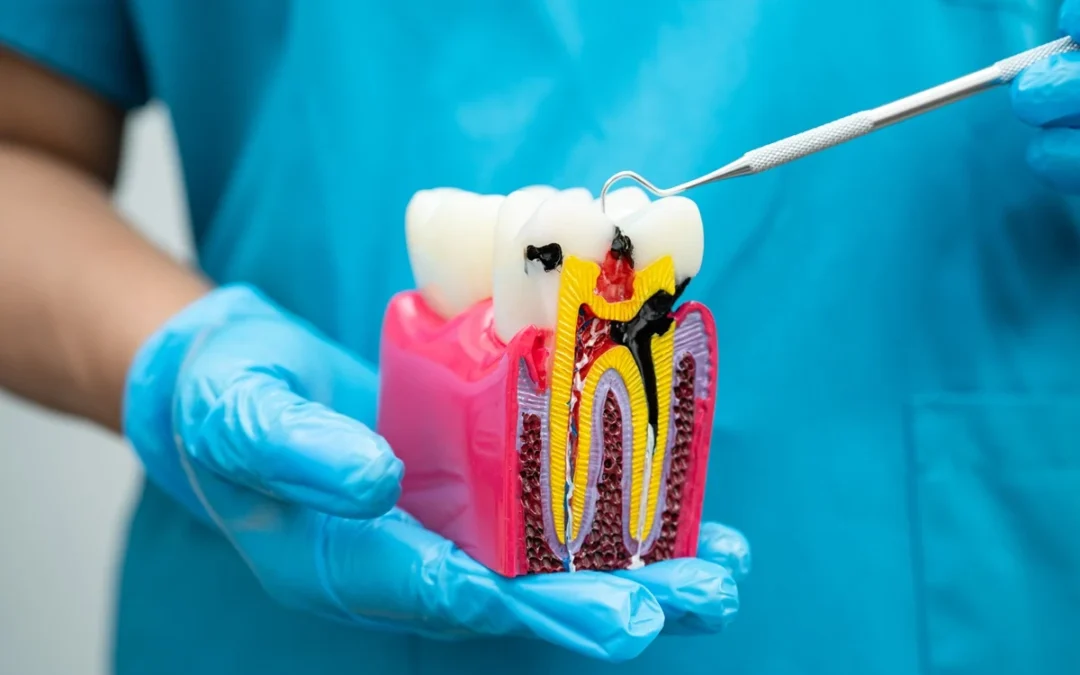
Root canal treatment has helped millions of people save natural teeth that would otherwise require extraction. In many cases, a properly treated tooth can remain healthy and functional for decades. However, like any dental procedure, a root canal is not always guaranteed to last forever. Occasionally, a tooth that has already undergone root canal therapy may require retreatment to address new issues that develop over time.
If you’ve had a root canal in the past and are experiencing discomfort or have concerns about its longevity, you may be wondering how long a root canal typically lasts and what causes a previously treated tooth to need additional care.
At Dentistry at Maricopa, Dr. Daniel J. Gibbons and Dr. Mike Carpenter help patients understand their treatment options when concerns arise with a root canal-treated tooth. Knowing the signs of potential problems and the factors that influence long-term success can help you protect your oral health and preserve your natural smile.
Understanding What Happens During a Root Canal
To appreciate why retreatment may sometimes be necessary, it helps to understand what a root canal is designed to accomplish. Root canal therapy removes infected or damaged pulp tissue from inside a tooth. The inner canals are then carefully cleaned, disinfected, and sealed to prevent future bacterial contamination.
Once treatment is complete, the tooth is usually restored with a filling or crown to protect its structure and restore normal function. This process eliminates infection while allowing patients to keep their natural tooth rather than having it extracted.
Because the infected tissue has been removed, many patients assume the tooth can never develop problems again. While root canal therapy is highly successful, several factors can affect the long-term outcome.
How Long Does a Root Canal Usually Last?
There is no universal expiration date for a root canal-treated tooth. Many teeth remain healthy and functional for ten, twenty, or even thirty years after treatment. Some patients never require additional care for that tooth again.
The longevity of a root canal therapy depends on several factors, including the quality of the original treatment, the condition of the tooth before treatment, oral hygiene habits, and whether the tooth receives proper restoration afterward.
A tooth that is protected with a well-fitting crown and maintained through regular dental care often has an excellent long-term prognosis. However, even successful treatments can occasionally encounter complications years later.
Why Would a Root Canal Need Retreatment?
Many people are surprised to learn that a tooth can develop new issues long after a root canal has been completed. Retreatment becomes necessary when bacteria are able to re-enter the root canal system or when previously hidden infection remains inside the tooth.
In some cases, a root canal may not fully heal as expected. Tiny canals within the tooth may have been difficult to detect during the original procedure. Bacteria can sometimes remain in these areas and cause symptoms later.
Other times, a tooth that initially healed well may develop a new problem that compromises the previous treatment. Understanding these possibilities can help explain why retreatment occasionally becomes necessary.
Common Causes of Root Canal Failure
Several situations may contribute to the need for retreatment. One of the most common causes is reinfection. If a filling or crown becomes damaged, loose, or worn, bacteria may gain access to the interior of the tooth.
New tooth decay can also create pathways that allow bacteria to enter the treated area. Even though the pulp has been removed, bacterial contamination can still affect surrounding tissues and create inflammation or infection.
Cracks in the tooth represent another potential concern. A fracture may allow bacteria to bypass the original seal and reach areas that were previously protected.
Additionally, complex root anatomy can sometimes make treatment challenging. Some canals are unusually narrow, curved, or difficult to locate, increasing the likelihood that bacteria may persist despite careful treatment.
Signs That Retreatment May Be Needed
A root canal-treated tooth does not always show obvious symptoms when problems develop. However, certain warning signs should prompt a dental evaluation.
Persistent tooth pain is one of the most common indicators. While occasional sensitivity may not always signal a serious problem, ongoing discomfort deserves professional attention.
Swelling around the gums, tenderness when chewing, or recurring pimple-like bumps on the gum tissue near the treated tooth may indicate infection. Some patients also notice increased sensitivity to pressure or temperature changes.
In other cases, retreatment needs are discovered during routine dental examinations before symptoms become noticeable. Regular checkups allow dentists to identify concerns early and recommend appropriate care.
Can a Root Canal Fail Years Later?
Yes, a root canal-treated tooth can develop problems many years after the original procedure. Some patients experience symptoms within months, while others may not encounter issues for a decade or longer.
This delayed timeline often surprises patients because they assume the tooth is permanently protected after treatment. However, dental restorations, oral health conditions, and everyday wear can influence the long-term health of the tooth.
The good news is that many retreatment cases can be addressed successfully when identified early. Prompt evaluation helps prevent further damage and improves the likelihood of saving the tooth.
What Happens During Root Canal Retreatment?
Root canal retreatment follows many of the same principles as the original procedure but involves additional steps to address the underlying cause of failure.
The dentist first removes the existing restoration and gains access to the root canal system. Previous filling materials are carefully removed so the canals can be re-examined and cleaned.
The canals are then disinfected, reshaped if necessary, and sealed again to eliminate bacteria and reduce the risk of future infection. Once healing has occurred, a new restoration is typically placed to protect the tooth.
Advances in dental technology and imaging often help dentists identify issues that may have been difficult to detect during the original treatment.
How Can You Help Your Root Canal Last Longer?
While not every complication can be prevented, patients play an important role in protecting the longevity of root canal-treated teeth.
Maintaining excellent oral hygiene is one of the most effective ways to reduce risk. Brushing twice daily, flossing regularly, and attending routine dental examinations help keep both the treated tooth and surrounding tissues healthy.
Protecting the tooth from excessive force is equally important. Patients who grind or clench their teeth may benefit from a custom nightguard to reduce stress on dental restorations.
Promptly addressing chipped fillings, damaged crowns, or new cavities can also prevent bacteria from reaching the treated area.
The Importance of Routine Dental Visits
Many retreatment cases are identified during preventive care appointments before symptoms become severe. Dental X-rays and clinical examinations allow dentists to monitor the health of previously treated teeth and detect changes that may not yet be causing discomfort.
Routine visits provide an opportunity to evaluate crowns, fillings, gum health, and overall oral function. Small issues identified early are often easier and less costly to address than advanced infections.
Preventive care remains one of the most valuable tools for preserving root canal-treated teeth and avoiding future complications.
When Is Extraction Considered Instead?
While retreatment can often save a tooth, there are situations where extraction may be recommended. Severe fractures extending below the gumline, extensive structural damage, or significant bone loss may limit the effectiveness of retreatment.
Your dentist will carefully evaluate the condition of the tooth and discuss all available options. Whenever possible, preserving a natural tooth is generally preferred because it supports normal chewing function and helps maintain jawbone health.
However, every case is unique, and treatment recommendations should be based on the long-term prognosis of the tooth.
Protecting Your Smile for Years to Come
Root canal treatment remains one of the most successful ways to save natural teeth affected by infection or damage. While many root canal-treated teeth last for decades, retreatment occasionally becomes necessary due to reinfection, new decay, fractures, or other complications.
Understanding the warning signs and maintaining regular dental care can help maximize the lifespan of your treatment and reduce the likelihood of future problems.
At Dentistry at Maricopa, Dr. Daniel J. Gibbons and Dr. Mike Carpenter are committed to helping patients preserve their natural teeth through comprehensive diagnosis and personalized care. If you have concerns about a previous root canal or are experiencing symptoms that may indicate a problem, schedule an appointment today with your dentist. Early evaluation can help protect your oral health and keep your smile functioning comfortably for years to come.
Frequently Asked Questions About Root Canal Retreatment
Q 1. How can I tell if my root canal needs retreatment?
Common signs include persistent tooth pain, swelling around the gums, sensitivity when chewing, recurring infection, or a pimple-like bump near the treated tooth. A dental examination and X-rays can confirm whether retreatment is necessary.
Q 2. Can a root canal fail years after treatment?
Yes. Although many root canal-treated teeth last for decades, reinfection, new decay, a cracked tooth, or a damaged crown can cause problems years after the original procedure.
Q 3. Is root canal retreatment painful?
Root canal retreatment is typically performed with local anesthesia to keep patients comfortable. Most patients report that the procedure feels similar to the original root canal treatment.
Q 4. What causes a root canal-treated tooth to become infected again?
Reinfection can occur if bacteria enter the tooth through a cracked restoration, new decay, an untreated canal, or damage to the tooth that compromises the seal protecting the root canal system.