 20046 N John Wayne Pkwy STE 105, Maricopa, AZ 85139

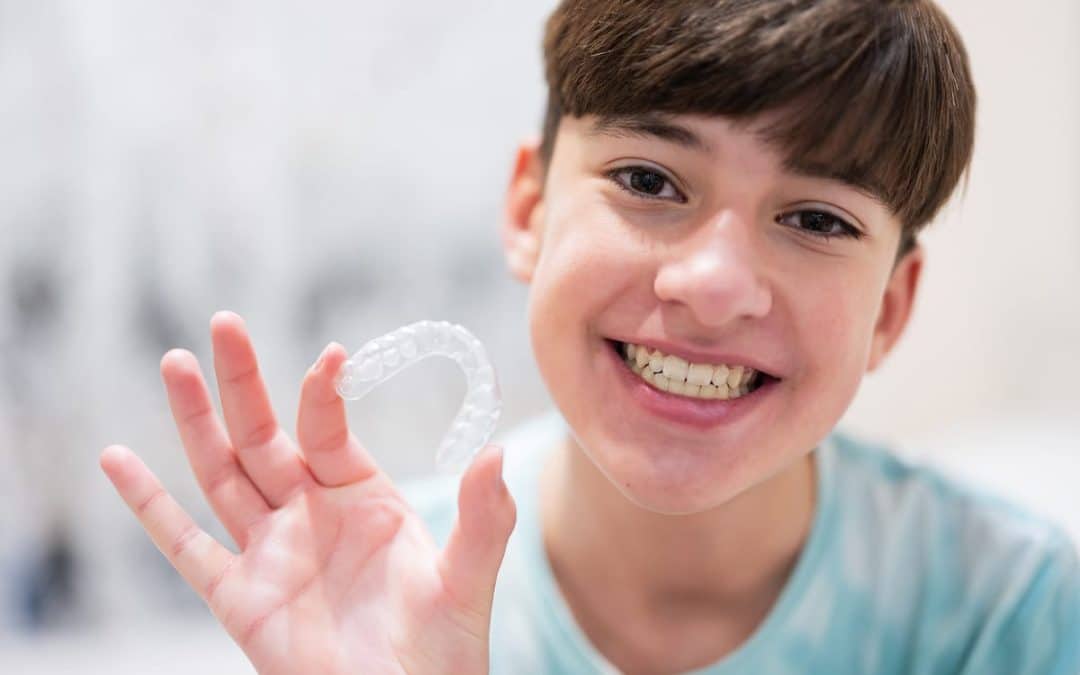
If you’ve ever wondered about Invisalign — how long does it actually take? — you’re not alone. This is one of the most common questions patients ask at Dentistry at Maricopa. The honest answer is: your real timeline matters, and it’s different for everyone. Understanding what drives that timeline helps you plan, commit, and get the results you want right here in Maricopa, AZ.
What Is the Average Invisalign Timeline in Maricopa?
Most adults complete Invisalign treatment in 12 to 18 months. Teens may follow a similar range, though some cases run shorter or longer. Mild alignment issues can resolve in as few as 6 months. More complex cases — like significant overcrowding or bite problems — can take 24 months or more.
These numbers are averages, not guarantees. Every smile is unique, and your specific tooth movement goals set the baseline. Dr. David Gibbons, DDS, maps out your individual treatment plan during your consultation at Dentistry at Maricopa. That plan gives you a realistic projection from day one.
It’s worth noting that Invisalign timelines often compare favorably to traditional braces. Many patients appreciate the flexibility of clear aligners while staying on a predictable schedule.
Key Factors That Shorten or Extend Your Invisalign Timeline
Several clinical and behavioral factors directly affect how quickly your treatment progresses. Knowing these factors helps you stay on track from the start.
- Complexity of your case: Simple spacing issues move faster than significant bite corrections.
- Your age: Younger patients often see teeth move slightly faster due to bone density differences.
- Number of aligners prescribed: More trays mean more stages of movement and more time.
- Aligner fit and tracking: If teeth aren’t tracking properly, adjustments extend the timeline.
- Attachments or refinements: Some cases need small tooth-colored attachments or refinement trays, adding weeks or months.
- Retainer compliance after treatment: Skipping retainers post-treatment can cause relapse, undoing your progress.
Dr. Gibbons reviews all these factors before your treatment begins. This upfront assessment helps set an accurate expectation — not a best-case-scenario promise.
How Compliance Directly Controls Your Results
This is the single most important factor you control. Invisalign clear aligners must be worn 20 to 22 hours per day to work as planned. That leaves just 2 to 4 hours for eating, drinking, and brushing. Missing even a few hours daily slows tooth movement significantly.
Patients who consistently wear their aligners often finish on schedule — or even ahead of it. Those who frequently remove them for convenience often face extended timelines. Some require additional refinement trays, which adds both time and cost.
Switching to the next tray on schedule also matters. Most patients change trays every 1 to 2 weeks, as directed. Waiting longer than recommended stalls your progress. Think of each tray as a step — skipping ahead or falling behind disrupts the sequence.
In Maricopa’s active community lifestyle, it can be tempting to remove aligners during outdoor events or social gatherings. Planning around meals and activities makes consistent wear much more manageable.
What Happens at Each Stage of Invisalign Treatment
Understanding the process helps you know what to expect at every milestone. Here’s a general breakdown of how treatment unfolds:
- Consultation and planning: Dr. Gibbons takes digital scans and maps your full treatment digitally. You’ll see a 3D preview of your projected outcome.
- Aligner fabrication: Your custom trays are manufactured and shipped. This typically takes a few weeks.
- Fitting and first tray: You receive your first set of aligners. Dr. Gibbons ensures proper fit and comfort before you leave.
- Regular progress check-ins: Visits every 6 to 8 weeks keep your treatment on track. Dr. Gibbons monitors movement and addresses any issues early.
- Refinements (if needed): Some patients need a second round of trays to fine-tune final tooth positions.
- Retention phase: After active treatment, retainers hold your new smile in place permanently.
Each phase builds on the last. Staying engaged and attending your check-ins gives Dr. Gibbons the chance to catch any tracking issues before they become setbacks.
Invisalign for Adults vs. Teens: Does Age Change the Timeline?
Both adults and teens can achieve excellent Invisalign results. The timeline differences are usually minor, but worth understanding. Teen aligners include compliance indicators — small blue dots that fade with wear — so parents and providers can monitor consistency.
Adult cases sometimes involve more complex tooth movement goals, which can extend treatment slightly. Adults also tend to be highly motivated, which often improves compliance and keeps timelines tight. Teens, with proper guidance, can be equally disciplined.
At Dentistry at Maricopa, Dr. Gibbons tailors the approach for each age group. Whether you’re an adult correcting years of shifting or a teen starting treatment early, the goal is the same: efficient, lasting results.
Other dental needs can sometimes run alongside Invisalign treatment. Patients managing broader oral health concerns — including those who’ve previously explored Dental Implants — should discuss timing with Dr. Gibbons to coordinate care effectively. If a dental emergency arises during your Invisalign treatment, Emergency Dental Care is available at Dentistry at Maricopa to keep your overall treatment on course.
Tips to Stay on Track With Your Invisalign Timeline
- Set phone reminders to put your aligners back in after meals.
- Keep your aligner case with you at all times — it prevents loss and damage.
- Brush and floss before reinserting trays to maintain oral health throughout treatment.
- Attend every scheduled check-in appointment without delay.
- Ask Dr. Gibbons immediately if a tray feels wrong or stops fitting correctly.
- Begin retainer use the moment active treatment ends — don’t skip this step.
Small habits compound over months of treatment. Patients who build these routines early consistently report smoother, faster outcomes.
Your Next Step Toward a Straighter Smile in Maricopa
Invisalign is a proven, flexible path to a straighter smile — but realistic expectations make all the difference. Your timeline depends on your case complexity, your aligner wear habits, and the quality of care guiding you through each step. At Dentistry at Maricopa, Dr. David Gibbons, DDS, provides personalized Invisalign treatment with transparent timelines built around your life. You deserve to know exactly what you’re signing up for before you start. Contact Dentistry At Maricopa to schedule your appointment with our team.
Frequently Asked Questions
Q 1. How long does Invisalign typically take for adults in Maricopa?
A: Most adult patients in Maricopa complete Invisalign treatment within 12 to 18 months. Complex cases involving bite correction or significant crowding may take up to 24 months. Dr. David Gibbons provides a personalized timeline estimate during your initial consultation at Dentistry at Maricopa.
Q 2. What happens if I don’t wear my aligners for the full 22 hours a day?
A: Inconsistent wear slows tooth movement and can extend your overall treatment timeline. You may also need additional refinement trays to achieve the planned result. Wearing your aligners as directed is the most effective way to finish on time.
Q 3. Can Invisalign treatment be completed faster than the estimated timeline?
A: Some patients do finish slightly ahead of schedule — especially those with mild alignment issues and excellent compliance. However, rushing is not recommended. Moving through trays too quickly can cause discomfort or poor tracking. Always follow Dr. Gibbons’ prescribed schedule.
Q 4. Does Invisalign for teens take longer than for adults?
A: Not necessarily. Teen timelines are similar to adult timelines when compliance is consistent. Teen Invisalign aligners include built-in compliance indicators to help track daily wear. Dr. Gibbons customizes the treatment plan based on the individual patient, not just their age.
Q 5. What is the retention phase, and does it add to my total treatment time?
A: The retention phase begins after your active Invisalign treatment ends. You’ll wear retainers — usually at night — to keep your teeth in their new positions permanently. This phase is ongoing rather than time-limited. It does not extend the active treatment period, but it is a lifelong commitment to maintaining your results.