 20046 N John Wayne Pkwy STE 105, Maricopa, AZ 85139

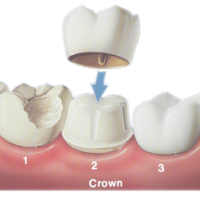
If you have ever heard someone say, “I need a cap for my tooth,” you may have wondered what that actually means. Is a dental cap different from a crown? Why would a dentist recommend one? And how does a crown help restore a damaged tooth?
The good news is that “dental cap” and “dental crown” generally refer to the same type of restoration. A crown is a custom-made covering that fits over a damaged, weakened, worn, or otherwise compromised tooth to restore its shape, strength, function, and appearance. Dentistry at Maricopa lists crowns among its restorative dental services for patients in Maricopa, AZ.
Whether you are dealing with a cracked tooth, a large filling, severe wear, or a tooth that has undergone root canal treatment, a crown may offer the protection your smile needs.
What Is a Dental Cap or Crown?
A dental crown is essentially a protective “cap” that covers the visible portion of a tooth above the gumline. Rather than simply filling a damaged area, the crown surrounds the tooth and is designed to restore its overall structure.
Imagine your tooth has lost some of its original strength because of decay, a fracture, extensive wear, or previous dental treatment. A properly fitted dental crown can help protect the remaining tooth structure while allowing you to chew and smile more comfortably.
Modern crowns can also be designed to closely resemble natural teeth. Your dentist considers factors such as the tooth’s location, function, appearance, and overall condition when determining whether a crown is appropriate.
Why Would You Need a Dental Crown?
A crown isn’t automatically necessary whenever a tooth is damaged. The decision depends on how much healthy tooth structure remains and what the tooth needs to function properly.
Your dentist may recommend a crown when a tooth has:
- A significant crack or fracture
- Extensive decay or damage
- A large filling that leaves the tooth structurally weakened
- Severe wear from grinding or other forces
- Undergone root canal treatment
- A shape or discoloration that may benefit from full-coverage restoration
- A need for support as part of a dental bridge
- A dental implant that requires a visible tooth replacement
The goal isn’t simply to cover a tooth. The goal is to restore and protect it while supporting normal oral function.
Dental Crowns vs. Dental Fillings: What’s the Difference?
A filling and a crown both restore damaged teeth, but they are used in different situations. A filling generally repairs a portion of a tooth affected by decay or minor damage. A crown, by comparison, covers much more of the tooth.
Think of it like repairing a damaged wall versus reinforcing an entire structure. If enough healthy tooth remains, a filling may be sufficient. If the tooth has lost significant structural integrity, a crown may provide the additional protection it needs.
Your dentist can examine the tooth and determine which restoration offers the most appropriate solution.
What Are Dental Crowns Made Of?
Dental crowns can be made from several different materials, including porcelain, ceramic, zirconia, resin, stainless steel, and metal. The best choice depends on the tooth being treated, your functional needs, aesthetic preferences, and your dentist’s recommendation.
For teeth that are highly visible when you smile, a tooth-colored restoration may be desirable because it can be designed to blend with the surrounding teeth. For teeth that experience significant chewing forces, strength and durability may be particularly important.
Dentistry at Maricopa provides crowns as part of its range of dental services, and the practice’s team includes dentists with experience in CEREC in-office crowns and restorative dentistry.
What Happens During a Dental Crown Procedure?
Knowing what happens before you sit in the dental chair can make the process feel much less mysterious. While the exact procedure varies depending on your tooth and treatment plan, the process generally begins with an evaluation.
Step 1: Your Tooth Is Examined
Your dentist examines the tooth and may use dental X-rays or other diagnostic tools to evaluate its condition. The purpose is to determine whether the tooth can be restored and whether a crown is the appropriate treatment.
Step 2: The Tooth Is Prepared
If a crown is recommended, the tooth is carefully prepared to make room for the restoration. The amount of preparation depends on the type of crown and the condition of the tooth.
Step 3: Measurements Are Taken
Your dentist needs precise information about the size and shape of your tooth so the crown fits properly. Impressions or digital scans may be used to create the restoration.
Step 4: The Crown Is Placed
Once the custom crown is ready, your dentist checks its fit, appearance, and bite. After any necessary adjustments, the crown is securely bonded or cemented into place.
Dentistry at Maricopa also highlights advanced technology as part of its approach to patient care.
How Does a Dental Crown Feel After Treatment?
A new crown may feel slightly different at first because your mouth is becoming accustomed to the restoration. You may notice the shape or texture when your tongue touches it, but this sensation typically becomes less noticeable as you adjust.
Your dentist also checks your bite to make sure the crown works properly with your opposing teeth. If your bite feels uncomfortable after treatment, let your dental office know so the crown can be evaluated.
The goal is a restoration that feels comfortable and allows you to return to normal daily activities.
Can Dental Crowns Improve the Appearance of Your Smile?
Yes, crowns can have both restorative and cosmetic benefits when appropriately selected. A crown can restore the shape of a tooth that has become worn, broken, misshapen, or severely discolored.
However, a crown isn’t necessarily the right cosmetic treatment for every smile concern. Depending on your situation, alternatives such as bonding, veneers, or whitening may be more appropriate.
The best treatment depends on the underlying condition of your teeth—not simply the appearance you want to change.
How Do You Care for a Dental Crown?
Once your crown is placed, taking care of it is much like caring for your natural teeth. Good daily oral hygiene remains important because although the crown itself cannot develop a cavity, the natural tooth underneath and around it can still be affected by plaque and bacteria.
To help protect your crown:
- Brush your teeth twice a day with fluoride toothpaste.
- Floss or clean between your teeth every day.
- Attend regular dental examinations and cleanings.
- Avoid using your teeth to open packages or bite hard objects.
- Tell your dentist if your crown feels loose, painful, or damaged.
Regular dental visits allow your dentist to monitor both the crown and the surrounding tooth and gum tissue.
What Happens If a Damaged Tooth Is Left Untreated?
It can be tempting to ignore a damaged tooth when it isn’t causing pain. But the absence of pain doesn’t necessarily mean the tooth is healthy.
A crack may worsen, weakened tooth structure may break further, and untreated decay can progress. In some situations, delaying treatment can make the eventual restoration more complicated.
That’s why an evaluation is worthwhile if you notice a cracked, broken, heavily worn, or significantly damaged tooth. Early assessment gives your dentist an opportunity to discuss appropriate treatment options before the problem progresses.
Are Dental Crowns a Permanent Solution?
Dental crowns are designed to be durable, but they are not indestructible or guaranteed to last forever. Their longevity can depend on factors such as oral hygiene, biting forces, tooth grinding, the condition of the supporting tooth, and regular dental care.
Patients who grind or clench their teeth may place additional stress on their restorations. If you grind your teeth, talk with your dentist about ways to protect your smile.
Think of a crown as an investment in restoring a tooth—not a reason to stop caring for it.
Dental Crowns in Maricopa, AZ
If you have a damaged, weakened, broken, or severely worn tooth, you don’t have to guess whether a dental crown is right for you. A professional evaluation can help identify the condition of your tooth and explain your treatment options.
At Dentistry at Maricopa, patients can receive restorative dental care at 20046 N John Wayne Pkwy STE 105, Maricopa, AZ 85139. The practice provides crowns along with comprehensive services including routine dental care, root canal therapy, dental implants, fillings, dentures and bridges, and cosmetic dentistry.
If you’re concerned about a damaged tooth or have been told you may need a crown, schedule an appointment with Dentistry at Maricopa to discuss your smile and determine the next step.
Frequently Asked Questions About Dental Crowns
Q.1. What is a dental crown?
Ans: A dental crown is a custom-made restoration that completely covers the visible portion of a tooth above the gumline. It can help restore a tooth’s strength, shape, function, and appearance.
Q.1. Why would I need a dental crown?
Ans: A dentist may recommend a crown for a weakened, cracked, broken, severely worn, or extensively filled tooth. Crowns can also be used to cover dental implants, support bridges, or improve the appearance of certain damaged or misshapen teeth.
Q.1. What materials are used to make dental crowns?
Ans: Dental crowns can be made from materials such as porcelain, zirconia, resin, stainless steel, and metal. Your dentist can recommend an appropriate material based on the tooth being restored and your treatment goals.
Q.1. How long does it take to get a dental crown?
Ans: The process commonly involves preparing the tooth and taking an impression or scan, followed by fabrication of the custom crown. The finished crown is then checked and cemented into place during a subsequent appointment. The exact timeline can vary depending on your treatment needs.
Q.1. Can dental crowns improve the appearance of damaged teeth?
Ans: Yes. Dental crowns can improve the shape, color, and appearance of teeth that are severely discolored, misshapen, broken, or worn. Your dentist can determine whether a crown or another cosmetic treatment is the better option for your smile.