 20046 N John Wayne Pkwy STE 105, Maricopa, AZ 85139

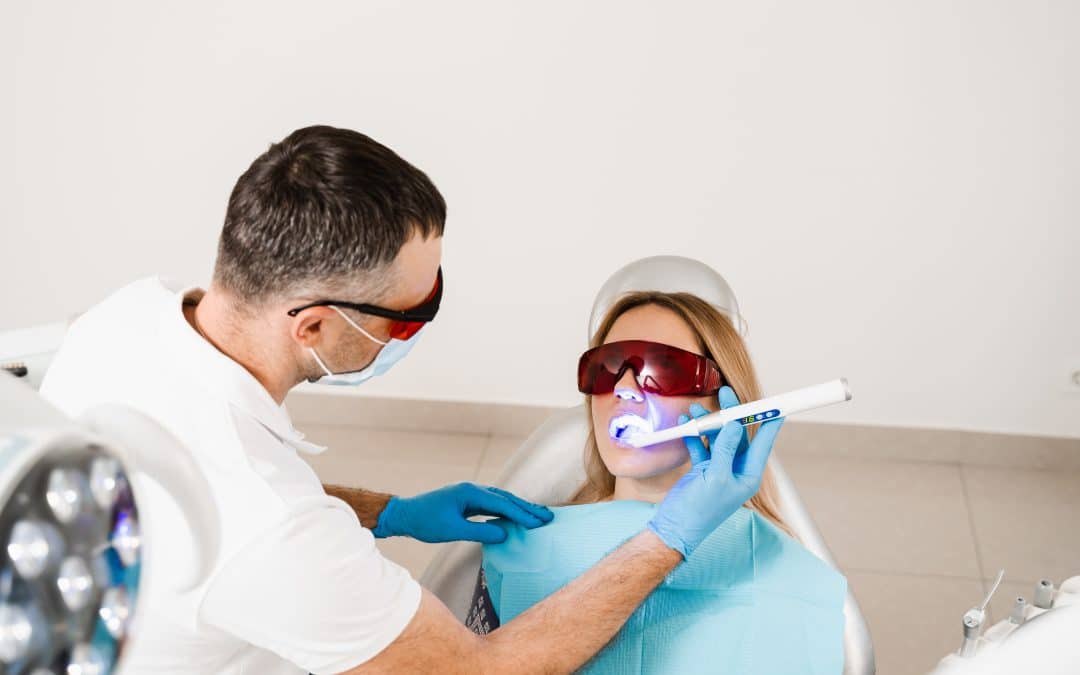
Teeth whitening is one of the most popular cosmetic dental treatments in Maricopa, AZ. But for many patients, the experience comes with an unwelcome side effect: sensitivity. If you’ve ever winced after a whitening session, you’re not alone. Understanding why sensitivity happens — and how to prevent it — makes a real difference in your comfort and results.
At Dentistry at Maricopa, Dr. David Gibbons helps patients achieve brighter smiles safely. This guide breaks down the science behind whitening sensitivity and gives you practical steps to protect your teeth before, during, and after treatment.
Why Teeth Whitening Causes Sensitivity in the First Place
Whitening products use hydrogen peroxide or carbamide peroxide to break up stains. These bleaching agents penetrate the outer enamel layer. Once inside, they can reach the dentin — the layer just beneath the enamel that contains tiny nerve-connected tubes.
When those tubes are exposed or irritated, your teeth become more reactive to temperature. That’s the sharp, zingy feeling patients often describe. It’s not damage — but it is real discomfort.
Several factors increase your risk of sensitivity during whitening:
- Naturally thin or worn enamel
- Existing gum recession that exposes root surfaces
- Cracks or chips in teeth
- Using overly concentrated whitening products at home
- Whitening too frequently without breaks
Not everyone experiences sensitivity equally. Some patients feel nothing at all. Others feel significant discomfort after even a short session. Knowing your personal risk helps you plan smarter.
How Professional Whitening in Maricopa Reduces Sensitivity Risk
One of the biggest advantages of professional whitening is control. Dr. Gibbons evaluates your teeth before recommending any whitening treatment. That evaluation matters enormously when sensitivity is a concern.
In-office whitening uses carefully calibrated concentrations of bleaching gel. The gel is applied precisely to avoid contact with your gums. This reduces gum irritation, which is a major source of post-treatment sensitivity.
Professional treatments also use custom-fitted trays when whitening is performed at home under supervision. These trays keep the gel exactly where it belongs. Ill-fitting store-bought trays allow gel to spread and cause unnecessary irritation.
Dr. Gibbons may also recommend a desensitizing treatment before or after whitening. These treatments contain potassium nitrate or fluoride. They calm the nerve response and strengthen enamel before the bleaching process begins.
What You Can Do at Home to Prevent Whitening Sensitivity
Your habits before and after whitening play a huge role in your comfort level. Small changes make a noticeable difference. Here’s what patients in Maricopa can do to stay ahead of sensitivity:
- Switch to a sensitivity-specific toothpaste at least two weeks before whitening
- Avoid very hot, cold, or acidic foods for 48 hours after treatment
- Use a soft-bristled toothbrush to reduce enamel wear
- Brush gently — aggressive brushing weakens protective enamel over time
- Stay hydrated, since saliva naturally neutralizes acids and remineralizes enamel
- Follow your dentist’s recommended whitening schedule — don’t rush the process
Sensitivity toothpastes work by blocking the dentin tubules mentioned earlier. They don’t fix the underlying cause, but they significantly reduce the signal your nerves send to your brain. Many patients find consistent use eliminates discomfort almost entirely.
It’s also worth noting that at-home whitening strips from drugstores aren’t designed for every mouth. If you’ve had sensitivity before, talk to Dr. Gibbons before trying any over-the-counter product.
When Sensitivity Is a Warning Sign, Not Just a Side Effect
Most whitening sensitivity is temporary. It typically fades within 24 to 72 hours after treatment. If your sensitivity lasts longer than three days, that’s worth discussing with your dentist.
Persistent sensitivity may signal an underlying issue. Cracked teeth, cavities, or gum disease can all make whitening much more uncomfortable. Treating those conditions first leads to better whitening outcomes and less pain overall.
This is why a thorough dental checkup before whitening is so important. At Dentistry at Maricopa, Dr. Gibbons checks for cavities, cracks, and gum health before recommending treatment. Whitening on a compromised tooth can worsen existing problems.
Patients with significant gum recession need special attention. Exposed root surfaces don’t respond to whitening the same way enamel does. They also tend to be far more sensitive. A personalized plan protects both your comfort and your results.
Building a Whitening Plan That Works Long-Term
Teeth whitening isn’t a one-time event for most patients. Many people want to maintain brightness over months or years. The key is building a sustainable plan rather than whitening aggressively in short bursts.
Dr. Gibbons recommends spacing touch-up treatments appropriately. This gives your enamel time to recover and remineralize between sessions. Pairing whitening with regular teeth cleaning appointments also removes surface stains before they set in deeply.
Patients interested in longer-lasting smile improvements sometimes ask about restorative options. While treatments like Dental Implants Maricopa serve a very different purpose, they illustrate how personalized dental planning creates lasting results. Every smile improvement works best when it’s part of a broader care strategy.
If a dental emergency arises — like sudden severe tooth pain after whitening — don’t wait. Emergency Dental Care Maricopa is available to address urgent concerns quickly and get you back on track.
Whitening should feel exciting, not stressful. With the right preparation and professional guidance, most patients in Maricopa experience excellent results with minimal discomfort. Dr. Gibbons and the team at Dentistry at Maricopa are here to make that happen for you. Book Now to schedule your appointment with our team.
Frequently Asked Questions
Is tooth sensitivity after whitening normal?
Yes, mild sensitivity after whitening is very common and usually temporary. Most patients notice it resolves within 24 to 72 hours. If sensitivity lasts longer or feels severe, contact your dentist to rule out an underlying issue.
Can I whiten my teeth if I already have sensitive teeth?
Yes, but it requires extra care and planning. Dr. Gibbons recommends a dental evaluation first to identify any causes of existing sensitivity. Using desensitizing treatments before whitening and choosing lower-concentration products can make the process much more comfortable.
How long should I wait between whitening treatments?
Most dentists recommend waiting at least three to six months between full whitening treatments. This gives your enamel time to remineralize and recover. Touch-up treatments can be shorter intervals, but always follow your dentist’s specific guidance.
Does professional whitening cause more sensitivity than store-bought products?
Not necessarily. Professional whitening is actually designed to minimize sensitivity. Dentists use precise concentrations, custom trays, and protective barriers that reduce irritation. Store-bought products often lack these safeguards, which can increase sensitivity risk for some patients.
What foods should I avoid after teeth whitening?
Avoid very hot or cold drinks, acidic foods like citrus and vinegar, and dark-staining foods like coffee, red wine, and berries for at least 48 hours after whitening. This protects both your comfort and your results during the most vulnerable period after treatment.