 20046 N John Wayne Pkwy STE 105, Maricopa, AZ 85139

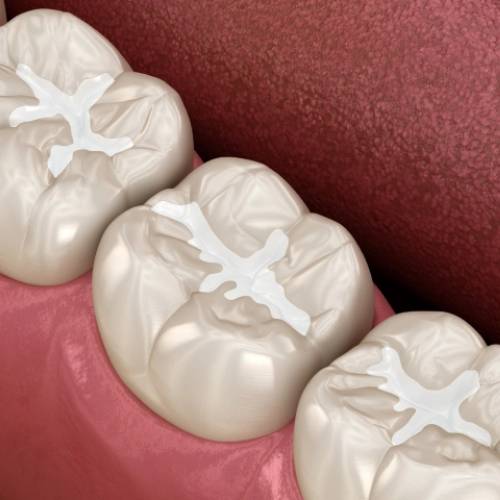
Have you ever wondered why some people still develop cavities even though they brush and floss every day? The answer often lies in the deep grooves of the back teeth, where food particles and bacteria can hide. These areas are difficult to clean completely with a toothbrush alone, making them more vulnerable to tooth decay.
At Dentistry at Maricopa, Dr. J. Gibbons believes that preventing dental problems is always easier than treating them later. One of the most effective preventive treatments available today is sealants. If you are looking for dental sealants in Maricopa, learning how this simple treatment works can help you make informed decisions about protecting your smile. Sealants provide an extra layer of defense against cavities while helping you preserve your natural teeth for years to come.
Why Are the Back Teeth More Likely to Develop Cavities?
Your molars and premolars do most of the chewing, which means they have deep pits and grooves that naturally trap food debris and plaque. Even with consistent brushing, toothbrush bristles cannot always reach the bottom of these narrow spaces.
When bacteria remain in these grooves, they produce acids that gradually weaken the enamel. Over time, this process leads to cavities. Since tooth enamel cannot repair itself once decay begins, preventing damage before it starts is the smartest approach.
What Are Dental Sealants and How Do They Work?
They are thin, protective dental coatings that are applied to the chewing surfaces of the back teeth. Once placed, they seal the tiny grooves where bacteria and food particles commonly collect.
The protective barrier helps keep harmful bacteria away from the enamel, reducing the likelihood of cavities developing in these high-risk areas.
The application process is simple:
- Your dentist cleans the tooth thoroughly.
- A gentle conditioning solution prepares the enamel.
- The sealant material is carefully painted onto the tooth.
- A curing light hardens the coating within seconds.
- You can eat and drink normally shortly after the procedure.
The treatment is comfortable, requires no drilling, and preserves healthy tooth structure.
Who Can Benefit From Dental Sealants?
Although many people associate sealants with children, they can benefit patients of many ages.
Your dentist may recommend sealants if you:
- Have deep grooves in your molars
- Have had cavities in the past
- Want extra protection against tooth decay
- Have newly erupted permanent molars
- Want to preserve healthy tooth enamel for the future
Adults without existing decay or large fillings on their back teeth may also be excellent candidates.
What Makes Sealants a Smart Long-Term Investment?
Preventive care protects your natural teeth before problems begin. Rather than waiting for a cavity to develop, dental sealants help reduce the risk of decay from the start.
Some long-term advantages include:
- Helps reduce the chance of cavities
- Protects healthy tooth enamel
- Makes chewing surfaces easier to keep clean
- Preserves more of your natural tooth structure
- Supports long-term oral health
- May reduce the need for future restorative treatment
Protecting healthy teeth today often means fewer dental procedures in the future.
Research Supports the Benefits of Dental Sealants
Scientific research continues to demonstrate the value of preventive dentistry.
According to the Centers for Disease Control and Prevention (CDC), school-age children without sealants are almost three times more likely to develop cavities in their permanent molars than children who have them. This is why sealants continue to be recommended as an important preventive measure for patients at greater risk of tooth decay.
At Dentistry at Maricopa, we discuss preventive options during routine dental examinations because early protection helps patients maintain healthier smiles. Many patients seeking dental sealants in Maricopa appreciate that the treatment is quick, comfortable, and easily completed during a preventive appointment.
How Long Do Dental Sealants Last?
One reason dentists recommend sealants is their durability.
With proper oral hygiene and routine dental visits, dental sealants can continue protecting teeth for several years. During regular checkups, your dentist will examine each sealant and recommend replacement if normal wear occurs.
You can help extend their lifespan by:
- Brushing twice each day
- Flossing daily
- Limiting sugary foods and beverages
- Visiting your dentist every six months
- Avoiding chewing on hard objects like ice
These healthy habits protect both your natural teeth and your sealants.
Are Dental Sealants Safe for Children and Adults?
Yes, sealants have been used safely in preventive dentistry for decades.
The procedure is:
- Comfortable
- Non-invasive
- Quick to complete
- Suitable for children, teenagers, and many adults
- Designed to preserve healthy tooth structure
Because healthy teeth do not require drilling before sealants are applied, most patients find the procedure easy and stress-free.
Protect Your Smile Today for a Healthier Tomorrow
Cavities often begin without noticeable symptoms. By the time discomfort appears, the tooth may already require a filling or another restorative procedure.
Choosing tooth sealants before decay begins gives vulnerable teeth additional protection and helps preserve your natural smile. Preventive care not only protects your oral health today but also supports healthier teeth for many years.
If you are considering dental sealants in Maricopa, schedule a preventive visit with Dr. J. Gibbons at Dentistry at Maricopa. Our professional team will examine your teeth, explain whether these restorations are right for you, and help you protect your smile with preventive care designed to keep your teeth healthy for the long term.
Frequently Asked Questions
Q.1. Can adults get dental sealants?
Yes, adults with healthy back teeth and deep grooves may benefit from sealants. Visit our dental office for an examination to determine whether this preventive treatment is right for you.
Q.2. Does getting sealants hurt?
No, the procedure is comfortable and does not involve drilling or injections. Our dental team will complete the treatment quickly during your preventive visit.
Q.3. How long does the sealant procedure take?
Applying sealants usually takes only a few minutes for each tooth. Many patients receive them during their routine cleaning and examination appointment.
Q.4. Will sealants completely prevent cavities?
Sealants significantly reduce the risk of cavities on the chewing surfaces of the teeth, but daily brushing, flossing, and regular dental visits remain essential for maintaining oral health.
Q.5. How can I find out if I need sealants?
A comprehensive dental examination is the best way to determine if sealants would benefit your teeth. Schedule a visit with our dental office, and we’ll evaluate your smile and recommend the most appropriate preventive care.