 20046 N John Wayne Pkwy STE 105, Maricopa, AZ 85139

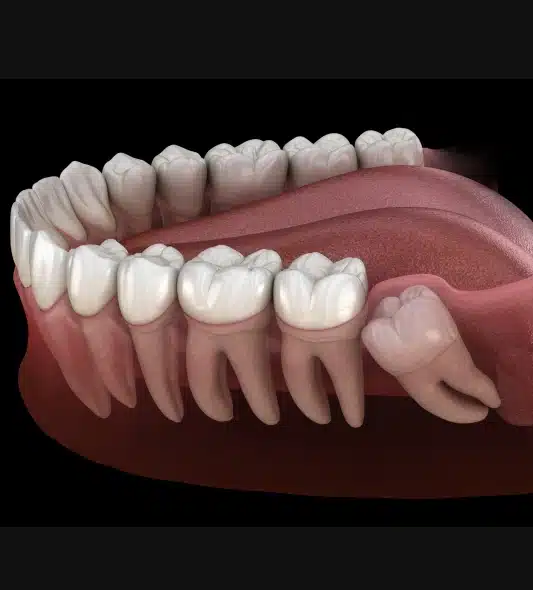
Having your wisdom teeth removed is a common dental procedure, but it’s natural to have questions about what comes next. While the extraction itself is an important step toward protecting your oral health, the recovery period plays an equally important role in ensuring proper healing. Understanding what to expect can help you feel more prepared, reduce anxiety, and make the healing process as smooth as possible.
Every patient’s recovery experience is unique. Factors such as the number of teeth removed, the position of the wisdom teeth, your overall health, and how closely you follow your dentist’s aftercare instructions can all influence the healing timeline. Fortunately, most people recover without complications by taking a few simple precautions.
At Dentistry at Maricopa, located at 20046 N John Wayne Pkwy STE 105, Maricopa, AZ 85139, we want every patient to feel confident before and after their procedure. Here’s what you can expect during wisdom tooth extraction recovery and how you can support a healthy healing process.
The First 24 Hours Are the Most Important
The first day after wisdom tooth extraction is when your body begins forming blood clots inside the empty tooth sockets. These clots are essential because they protect the underlying bone and nerves while creating the foundation for new tissue to develop.
During this time, it’s completely normal to experience:
- Mild to moderate bleeding
- Swelling around the cheeks
- Tenderness near the extraction site
- Minor discomfort
- Limited mouth opening
Your dentist will place gauze over the extraction sites to help control bleeding. Biting down gently on the gauze as instructed encourages clot formation and helps the bleeding slow down.
The key during the first 24 hours is allowing your body to begin healing without disturbing the blood clots.
Swelling Is a Normal Part of Healing
Many patients become concerned when swelling appears after surgery, but it’s actually a natural part of the healing process.
Swelling often begins several hours after the procedure, reaches its peak within 48 to 72 hours, and then gradually decreases over the following days.
Applying a cold compress to the outside of your face during the first day can help minimize swelling and improve comfort.
Keeping your head elevated while resting may also reduce inflammation.
Although some swelling is expected, significant or worsening swelling after several days should be evaluated by your dentist in Maricopa.
Managing Discomfort During Recovery
Some soreness after wisdom tooth extraction is expected, particularly during the first few days.
Your dentist may recommend:
- Prescription pain medication
- Over-the-counter pain relievers
- Cold compresses
- Plenty of rest
Most patients notice that discomfort begins improving after the third day.
Taking medications exactly as directed and avoiding strenuous activity can make recovery much more comfortable.
Choosing the Right Foods
Your mouth needs time to heal, so selecting soft, nutritious foods helps prevent irritation around the extraction sites.
Good choices include:
- Yogurt
- Applesauce
- Mashed potatoes
- Smooth soups
- Scrambled eggs
- Oatmeal
- Smoothies eaten with a spoon
- Cottage cheese
As healing progresses, you can gradually reintroduce firmer foods based on your dentist’s recommendations.
Avoid crunchy, spicy, sticky, or hard foods during the early stages of recovery because they may disturb the healing tissues.
Stay Hydrated Throughout Recovery
Drinking plenty of water supports healing and helps keep your mouth clean.
However, avoid drinking through a straw.
The suction created while using a straw can dislodge the protective blood clot inside the socket, increasing the risk of developing dry socket—a painful condition that delays healing.
Instead, sip water directly from a glass or bottle.
Proper hydration also supports your body’s natural healing response.
Keeping Your Mouth Clean
Good oral hygiene remains important after wisdom tooth extraction, but gentle care is essential.
For the first day:
- Avoid vigorous rinsing.
- Do not spit forcefully.
- Brush carefully, avoiding the extraction sites.
After the first 24 hours, your dentist may recommend gently rinsing with warm salt water several times each day, especially after meals.
These rinses help reduce bacteria while keeping the area clean without disrupting healing.
Continue brushing and flossing your other teeth normally unless instructed otherwise.
Rest Helps Your Body Heal
Many patients feel ready to return to their normal routine quickly, but allowing your body adequate time to recover is important.
During the first few days:
- Avoid strenuous exercise.
- Limit heavy lifting.
- Get plenty of sleep.
- Keep your head elevated when resting.
Physical activity too soon after surgery may increase bleeding and swelling.
Listening to your body and following your dentist’s recommendations promotes a smoother recovery.
Know the Signs of Normal Healing
As the days pass, you’ll likely notice gradual improvements.
Typical signs of healthy healing include:
- Reduced swelling
- Less discomfort
- Decreased bleeding
- Improved ability to open your mouth
- Gradual closure of the extraction sites
The sockets themselves may take several weeks to fill in completely, even though you begin feeling much better within the first week.
Patience is important, as healing continues long after the initial discomfort disappears.
Be Aware of Possible Complications
Although complications are uncommon, recognizing warning signs allows you to seek prompt care if needed.
Contact your dentist if you experience:
- Severe or worsening pain after several days
- Heavy bleeding that doesn’t stop
- Fever
- Persistent facial swelling
- Pus or unusual drainage
- Difficulty swallowing or breathing
- A foul taste or odor that doesn’t improve
Early treatment often prevents small concerns from becoming more serious.
Understanding Dry Socket
Dry socket is one of the best-known complications following wisdom tooth extraction.
It occurs when the protective blood clot becomes dislodged before the underlying tissues have healed.
Symptoms often include:
- Intense pain beginning several days after surgery
- Pain radiating toward the ear
- Bad breath
- Visible bone inside the socket
Fortunately, following your dentist’s aftercare instructions significantly lowers your risk.
Avoiding smoking, drinking through straws, vigorous rinsing, and touching the extraction site all help protect the healing clot.
Returning to Your Normal Routine
Recovery timelines vary, but many patients return to school or work within a few days, depending on the complexity of their procedure.
Before resuming normal activities:
- Make sure discomfort is manageable.
- Continue eating foods that are comfortable to chew.
- Avoid activities that may strain the healing area.
Your dentist will let you know when it’s appropriate to resume more vigorous exercise and your regular diet.
Healing continues beneath the surface even after you begin feeling better.
Trust Dentistry at Maricopa for Comfortable Wisdom Tooth Care
Recovering from wisdom tooth extraction is a gradual process, but knowing what to expect can make the experience much less stressful. Most patients notice steady improvement each day, especially when they follow their dentist’s aftercare instructions, eat soft foods, stay hydrated, and allow their body time to heal.
At Dentistry at Maricopa, conveniently located at 20046 N John Wayne Pkwy STE 105, Maricopa, AZ 85139, we’re committed to providing compassionate care before, during, and after wisdom tooth removal. Schedule an appointment with Dentistry at Maricopa today for a comprehensive evaluation and personalized treatment plan.
Frequently Asked Questions
- How long does wisdom tooth extraction recovery usually take?
Most patients begin feeling much better within 3 to 7 days, while complete healing of the extraction site may take several weeks.
2. Is swelling normal after wisdom tooth removal?
Yes. Swelling typically peaks within 48 to 72 hours before gradually improving over the next several days.
3. When can I eat regular foods again?
Start with soft foods and gradually return to your normal diet as your comfort improves and your dentist advises.
4. How can I prevent dry socket?
Avoid smoking, drinking through straws, vigorous rinsing, and touching the extraction site during the early stages of healing.